At the western edge of Paris, where Line 10 of the Métro gives out at Boulogne – Pont de Saint-Cloud and the Seine makes its slow turn toward the suburbs, there is little to suggest an elsewhere. The traffic circles the bridge, the buses idle at their stops, the apartment blocks of Boulogne-Billancourt keep their neat, ordinary rhythm. Yet behind a long screen of wood and aluminium on the rue du Port lies one of the strangest inheritances in the Paris region: four hectares of gardens arranged like a map of the world, and an archive of some 72,000 colour photographs of that world as it looked more than a century ago. Both were the work of one man, a banker who believed that if people could see one another clearly, they might stop going to war.
A Fortune Spent on Looking
Albert Kahn was born Abraham Kahn in 1860 in Marmoutier, a small town in Alsace, to a Jewish family of cattle merchants. At sixteen he left for Paris, found work at the Goudchaux bank, and rose with unusual speed; his fortune came largely from investments in South African diamond and gold mines in the 1880s and 1890s. In 1898 he founded his own bank. In the same year he began to give his money away.
The first of his projects was a set of travel grants, the bourses Autour du Monde, which sent young French graduates abroad to encounter the world before they taught or governed in it. Other foundations followed: a discussion circle, a committee for social and political study, a chair of human geography at the Collège de France. Kahn never married, avoided being photographed, and spoke little in public. A lifelong friendship with the philosopher Henri Bergson, which dated back to their youth, suggests the cast of his mind: an interest less in commerce than in perception, in how people come to know things at all.
In November 1908 Kahn sailed from Cherbourg on a journey around the world, taking with him his business associate Maurice Lévy and his chauffeur, Albert Dutertre, whom he had trained to handle both camera and film. Dutertre's images from that trip, much of it through Japan and China, were the seed of what Kahn would call the Archives de la Planète.
Glass Plates, Fifty Countries
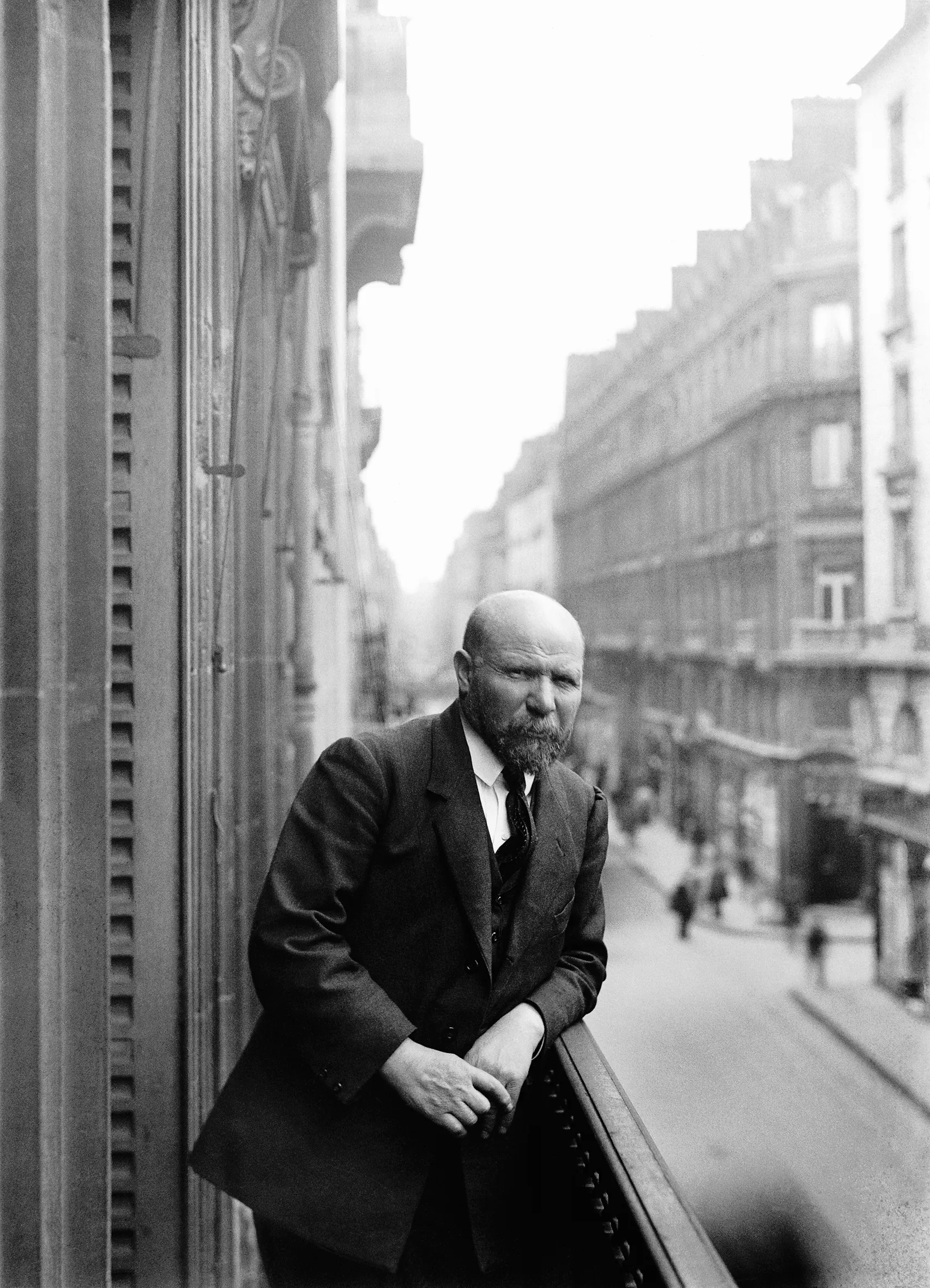
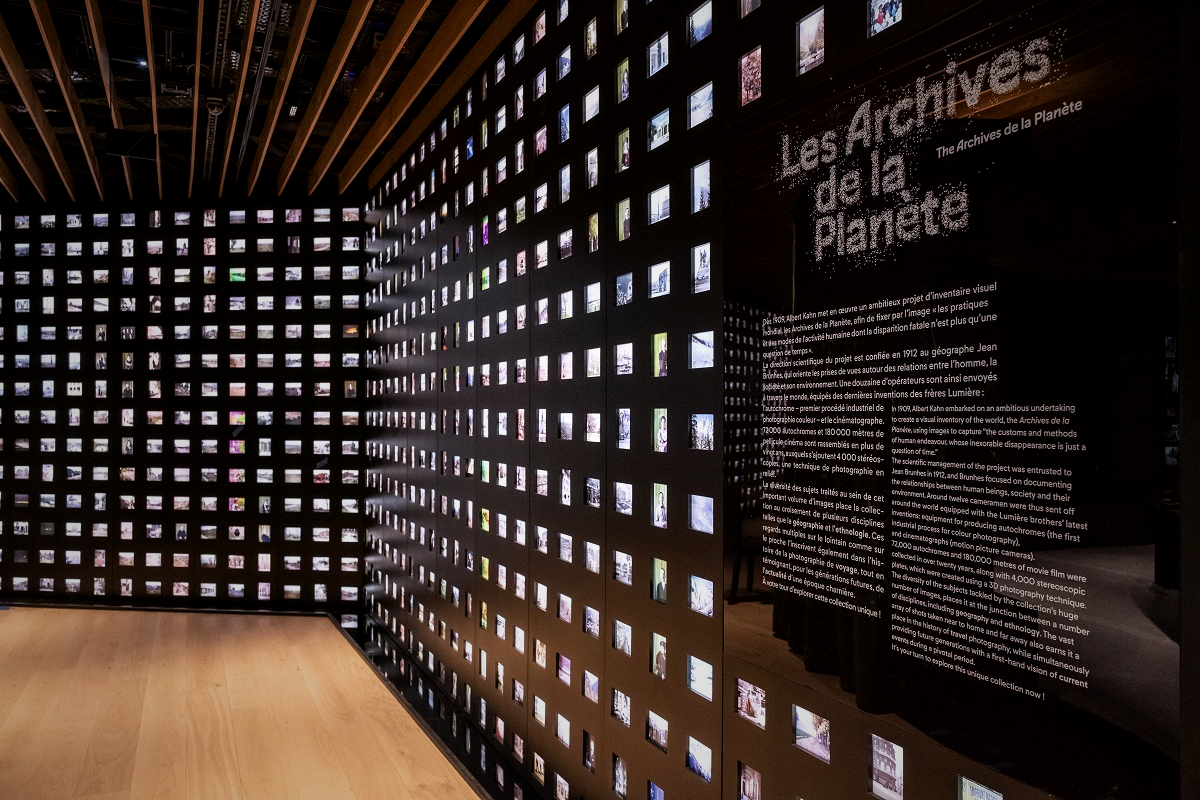
The ambition, stated plainly, was to make a photographic inventory of the inhabited earth at a moment when Kahn sensed it was changing faster than ever before. From 1912 he gave the scientific direction of the project to the geographer Jean Brunhes, and over the following two decades a small team of operators travelled to some fifty countries, from Ireland to Mongolia, from Dahomey to Brazil. They worked mostly with the autochrome, the colour process patented by the Lumière brothers: images formed on glass plates coated with grains of dyed potato starch, delicate enough that a single exposure could demand stillness for several seconds.
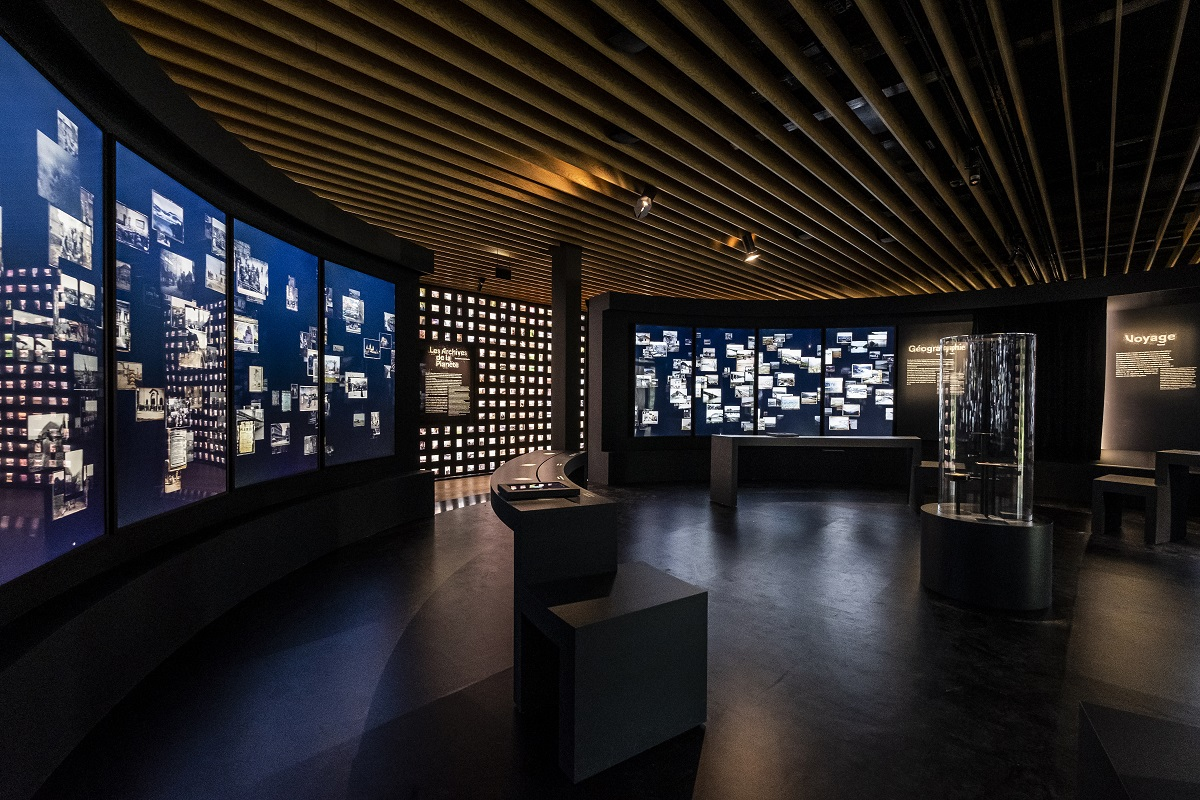
The result is a body of work that still unsettles the eye. The faces in it are not sepia ghosts but people in red headscarves and blue work shirts, standing in streets whose paint has since been replaced, cities since bombed, markets since cleared. Alongside the photographs are thousands of stereoscopic plates and about a hundred hours of film. Kahn showed the images to his guests in projections at his home; the museum's galleries continue that habit, presenting the archive on screens and in projection rather than as framed prints.
The project ended not by choice but by arithmetic. The crash of 1929 ruined Kahn. His property and collections passed to the Département de la Seine in 1936, and he was allowed to go on living in the house until his death in November 1940, in the first autumn of the Occupation. In April 2025, UNESCO added the Archives de la Planète to its Memory of the World Register.
Scenes Instead of Borders
Kahn spent some fifteen years shaping his garden, buying up neighbouring plots as they came free. He did not want a single harmonious park. He wanted what French landscape designers call a jardin à scènes: a sequence of distinct settings, each complete in itself, that a visitor passes through as if crossing frontiers.
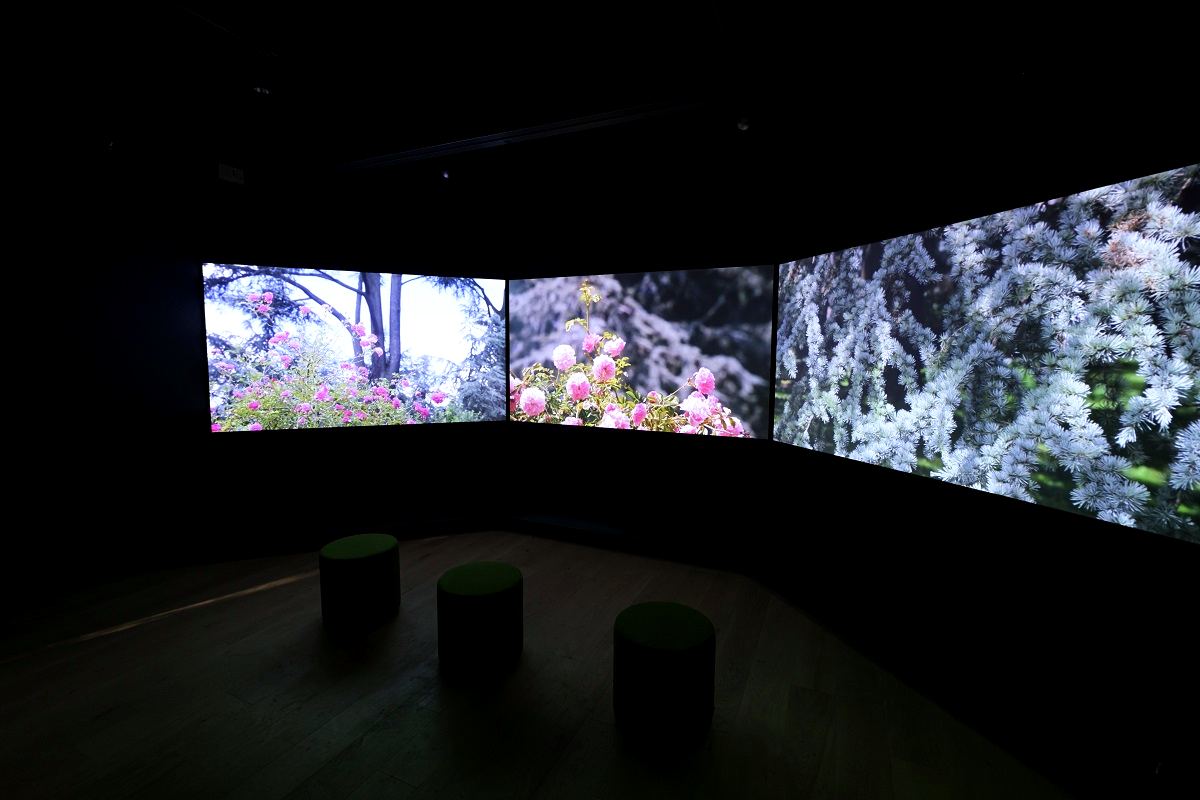
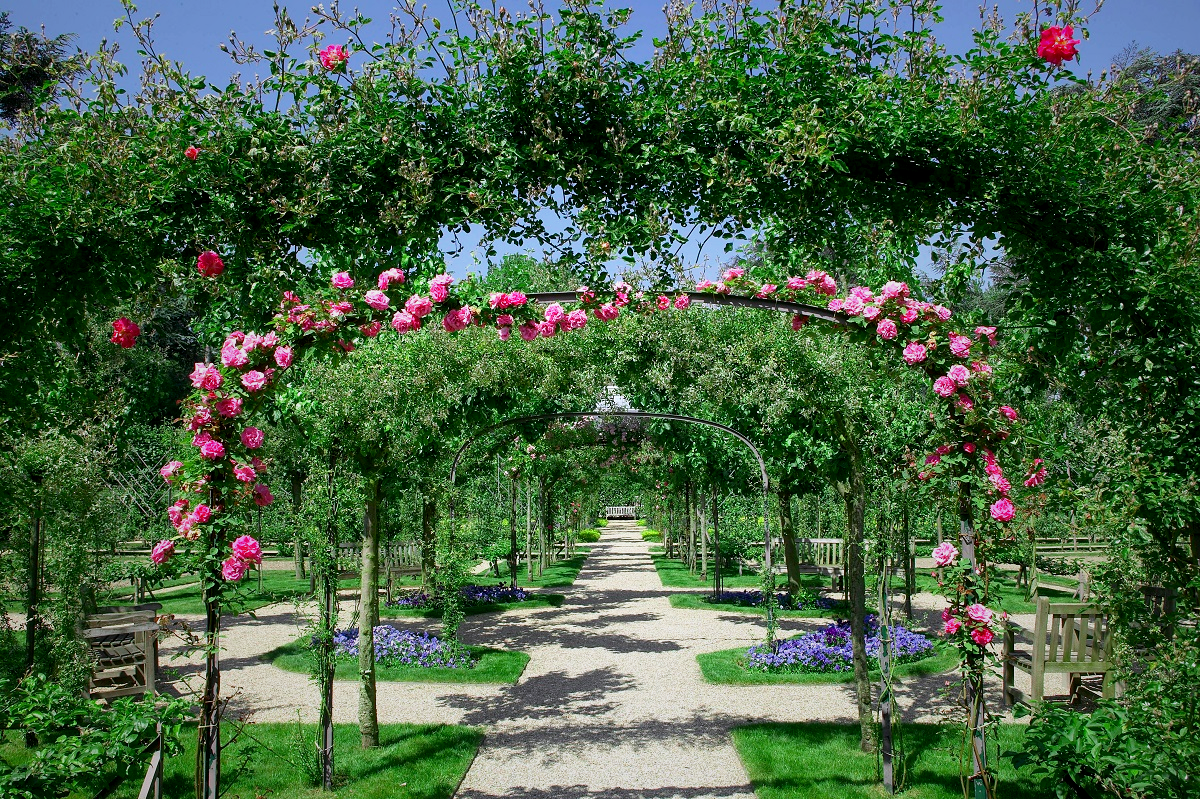
So a formal French garden of clipped lines and an orchard give way to an English garden with a cottage and a winding stream. A rose garden stands near a forest of Atlas cedars and Colorado spruce, planted for their blue-grey needles; elsewhere is a stand of golden-leaved trees, and a marsh. Most personal of all is the Vosges forest, some 3,000 square metres of spruce, beech, pine and oak with rocks set among them, an evocation of the mountains above the Alsace Kahn left as a teenager.
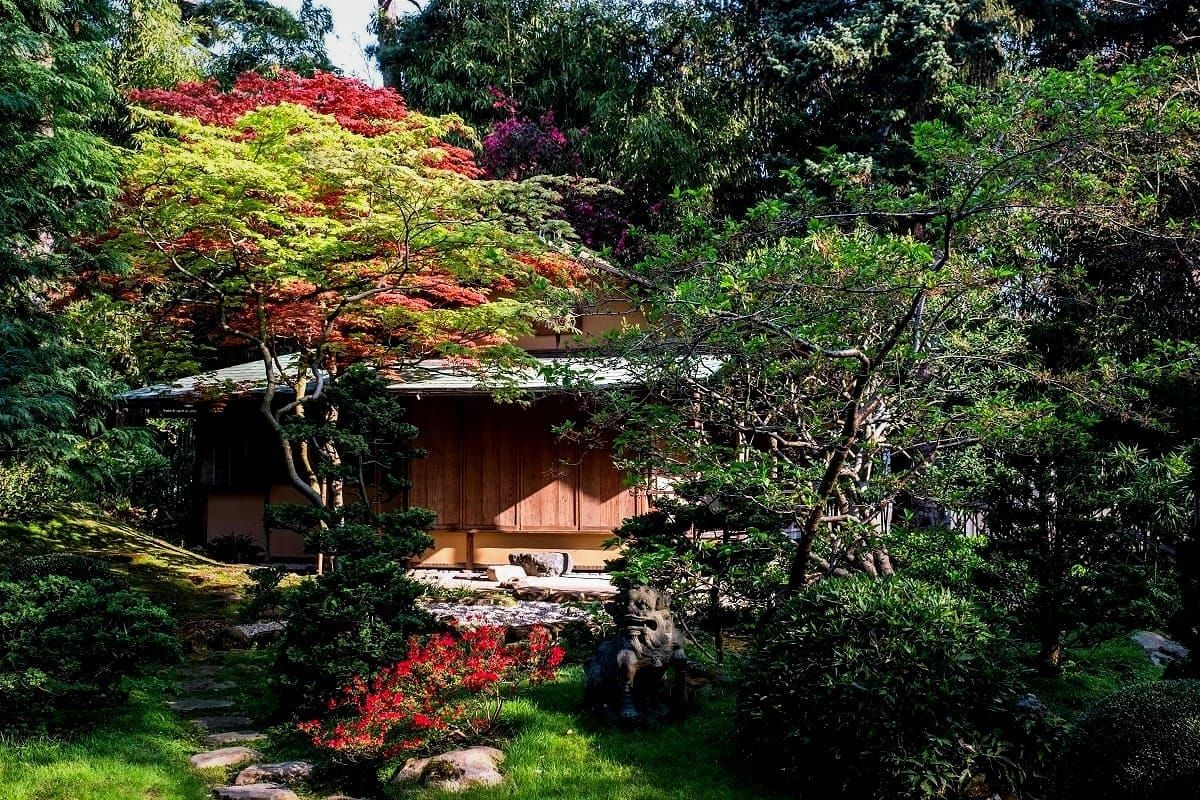
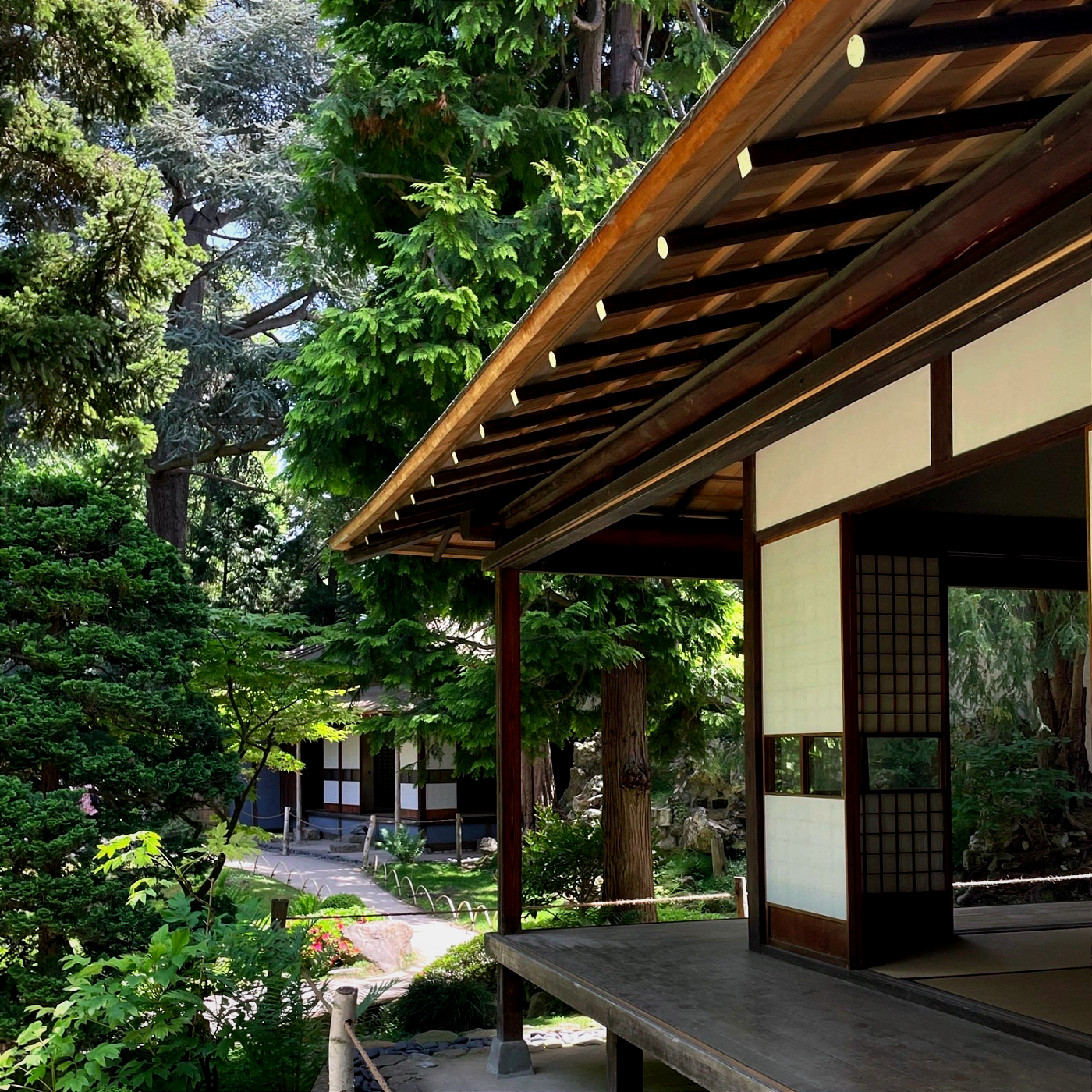
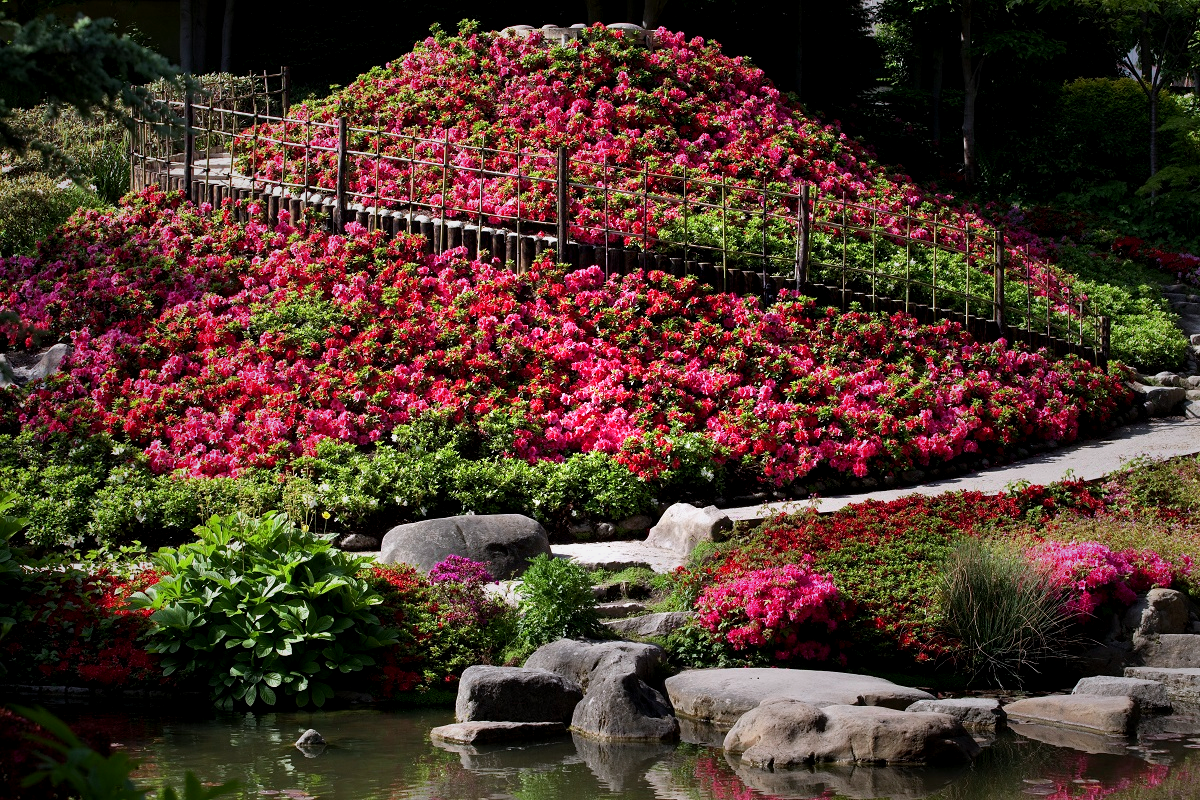
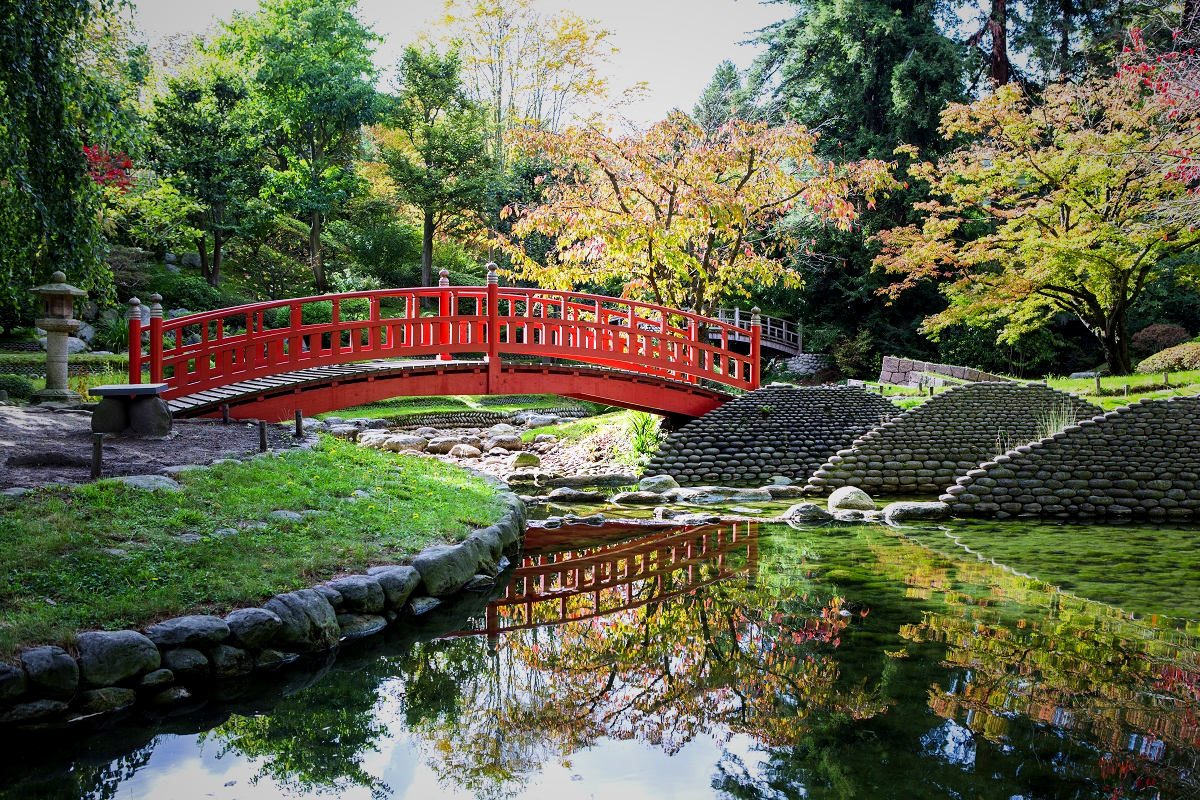
The Japanese garden is the one most visitors come for, and it is really two gardens. The older is a Japanese village, with two traditional houses and a tea pavilion, laid out under Kahn's own direction after his travels in Japan. The newer was designed in 1990 by the landscape architect Fumiaki Takano on the site of earlier Japanese and alpine gardens. Takano conceived it as a portrait of Kahn's life told in water and stone: a stream that begins as a spring, gathers strength, and runs on past cherry trees and a red bridge. What strikes a visitor is not the exoticism of any one scene but the speed of the transitions. A few dozen steps separate Alsace from Kyoto; the point, for Kahn, was that such distances could be walked.
A Screen of Wood and Light
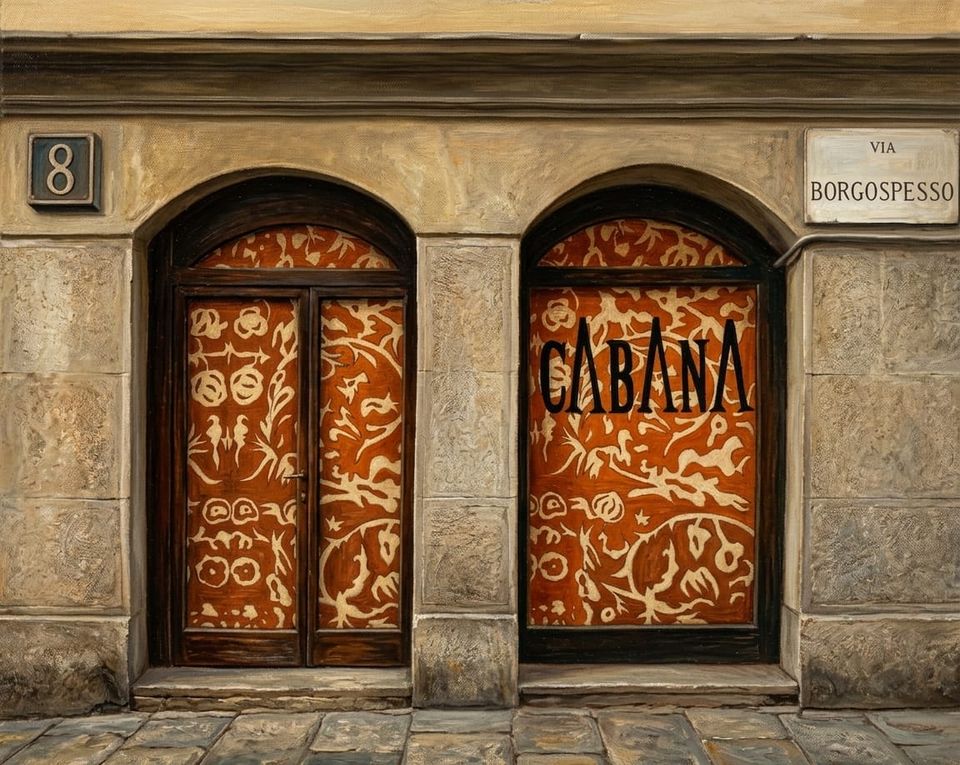
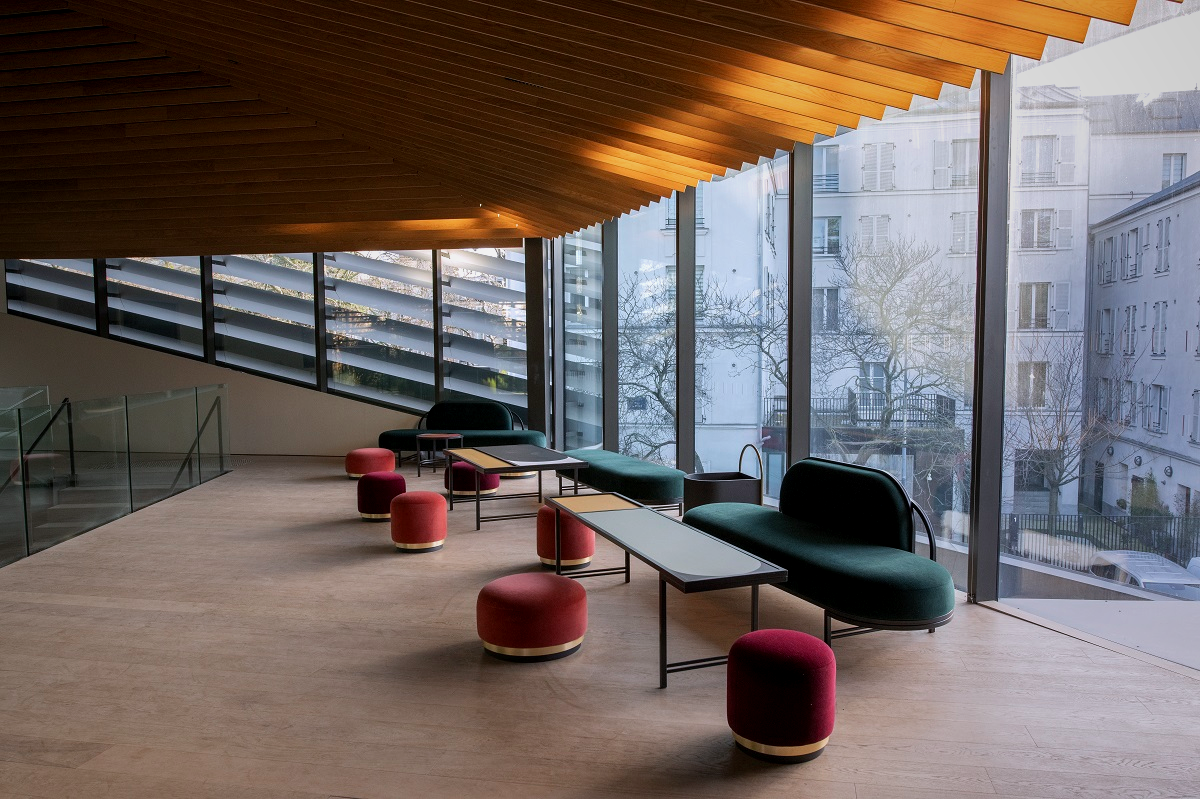
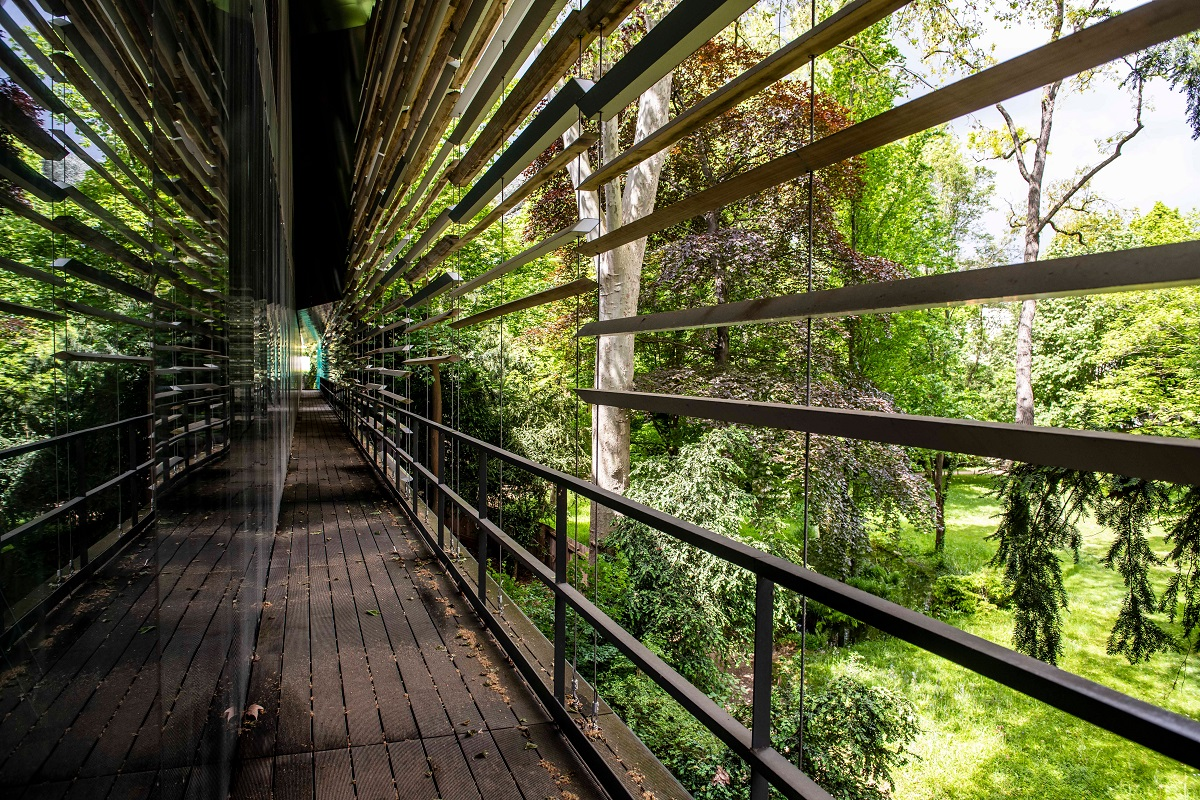
When the museum reopened in April 2022 after six years of work, it was through a new entrance designed by the Japanese architect Kengo Kuma, whose Paris office oversaw both the renovation of the existing buildings and a new exhibition wing. The choice of a Japanese architect was a nod to the garden, but the building's real argument is about thresholds. Kuma ran a long screen of aluminium and wooden slats between the street and the gardens, folding it horizontally and vertically so that it filters rather than blocks the view. Inside, the galleries open onto planted courtyards and glimpses of the grounds, an arrangement that recalls the engawa, the covered veranda of a Japanese house that belongs neither fully indoors nor out.
The effect is to keep the two halves of Kahn's legacy in conversation. One moves from a projected autochrome of a Mongolian plain to a window framing blue spruce, and back again. Neither the images nor the trees are allowed to become mere background for the other.
2 rue du Port, 92100 Boulogne-Billancourt
Hours
Tuesday–Sunday (October–March) · 11:00–18:00, last entry 17:00
Tuesday–Sunday (April–September) · 11:00–19:00, last entry 18:00
Late opening until 22:00 on the second Tuesday of each month
Closed Mondays, 1 May, 25 December and for the first two weeks of January. The garden is visited with a museum ticket and closes with the museum.
Confirm current hours and prices on the official website, as they may change.
View on Map →
It would be easy to treat the Musée Albert-Kahn as a pleasant curiosity, a banker's whim preserved by the département. But read together, the archive and the garden make a precise case. Kahn did not believe that a photograph of a stranger was enough to understand that stranger; he paid young people to travel, invited guests to watch his projections together, and built a landscape that has to be crossed on foot, slowly, one border at a time. Looking, in his view, was the beginning of understanding, not a substitute for it. A century later, surrounded by more images of the world than he could have imagined, that distinction is the most useful thing he left behind.
Popular